


Selling a car with engine knock is common. A deep knocking sound is one of the most expensive noises an engine can make. However, it does not always mean the engine is finished. It is a warning, so it should change how you drive, price and sell the car.
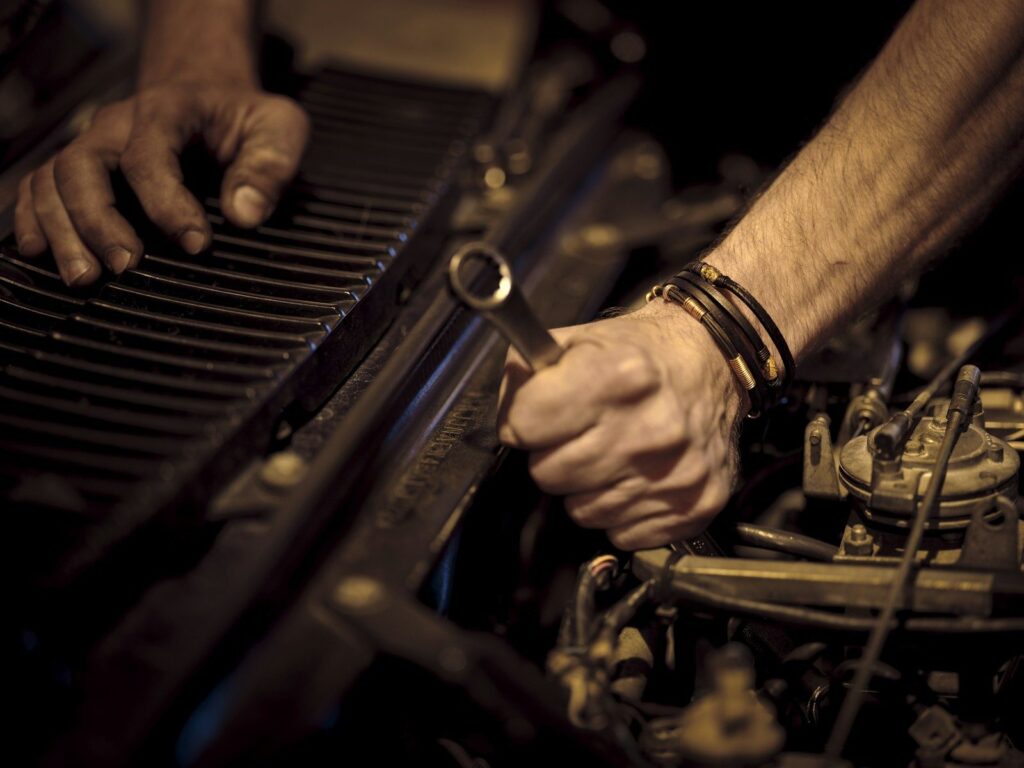
What engine knock can mean
Mechanics use “knock” for several sounds. So a mechanic needs to hear yours to tell them apart.
- Rod knock: a deep, steady knock that speeds up with the engine. It often points to worn bearings. Usually, that means a rebuild or a replacement engine.
- Spark knock or pinging: a lighter rattle when you accelerate. Fuel quality or carbon buildup can cause it, and it is often cheaper to fix.
- Lifter tick: a fast ticking from the top of the engine. Sometimes it is linked to low or old oil.
- Other noises: for example, a loose heat shield or a worn pulley can sound like a knock.
First, check the oil on the dipstick. If it is very low, or the oil light is on, stop driving. Then have the car towed.
Why you should stop driving it
A true rod knock can get worse quickly. For example, the engine can seize or a rod can break. That can leave you stranded. In some cases, it also ruins the engine block.
As a result, the car loses more value. A buyer can no longer count on the engine as a rebuild candidate.
Repair, replace or sell?
Ask a shop for a written diagnosis and estimate. With a confirmed rod knock, you usually have three choices:
- rebuild the engine
- fit a used replacement engine
- sell the car as-is
The right choice depends on the rest of the car. For instance, a solid car with a good transmission may be worth an engine swap. On the other hand, an older car with rust and worn parts is often better sold.
Our guide to the factors that determine a junk car payout shows what a buyer still values when the engine is the problem.
How to describe a knocking engine
Honest details lead to a firmer offer. They also mean fewer surprises at pickup. So tell the buyer:
- when the noise started and whether it is getting louder
- whether the car still starts and drives
- what a mechanic said, if you have a diagnosis
- any warning lights and the current mileage
Also keep your repair invoices. Regular oil changes can matter to a buyer who plans a rebuild. In addition, our article on how mileage affects junk car value explains how mileage changes the offer.
Private buyer or as-is buyer?
A private buyer might pay more if they are a mechanic. However, many private buyers will not take on an engine problem. You also should not describe a knocking engine as “runs great.”
In contrast, an as-is buyer prices the noise in from the start. They also arrange towing. That way, you never have to drive a failing engine.
Frequently asked questions
Can thicker oil or an additive fix engine knock?
Additives may quiet some noises for a short time. However, they do not repair worn bearings. Do not use them to hide the problem from a buyer.
Will someone buy a car with a seized engine?
Yes. Junk car buyers buy cars with seized engines. The car is simply towed instead of driven.
Should I tell the buyer about the knock?
Yes. Honest details prevent a lower price or a cancelled pickup when the driver hears the noise.
Get an as-is offer
Boss Cash Cars buys cars with engine knock, seized engines and other mechanical problems. We serve metro Atlanta, Macon and Warner Robins. Towing is free when you accept an offer, and payment is arranged at pickup. Call (404) 514-0627 or describe your car online.




One Response